
Nearly a year on, Gaza’s families still need food, shelter and care
Nearly a year after the ceasefire was announced, families in Gaza still face daily danger, hunger and a health system that cannot meet their needs.
News and updates shown on the Palestine (Gaza) page.
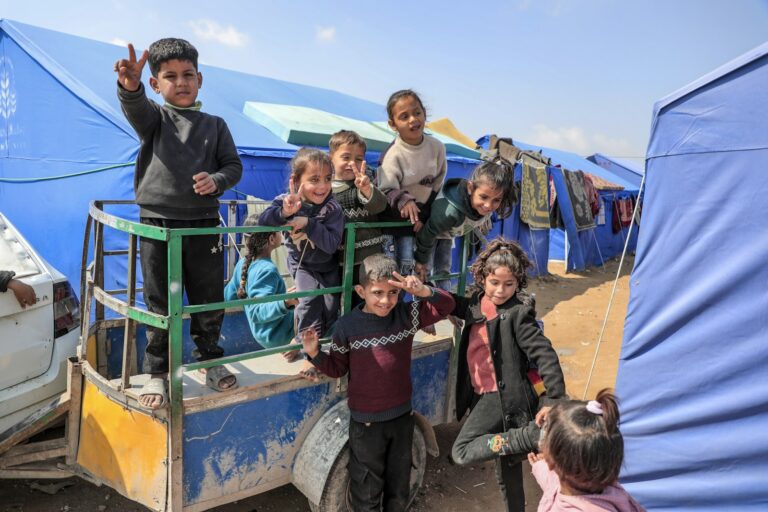
Nearly a year after the ceasefire was announced, families in Gaza still face daily danger, hunger and a health system that cannot meet their needs.
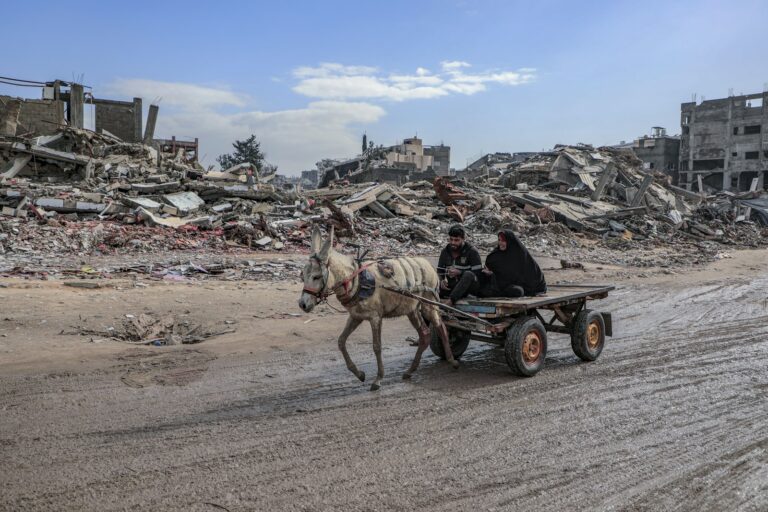
Nearly a year after the ceasefire was announced, shortages forced health services into emergency mode and food rations were reduced.
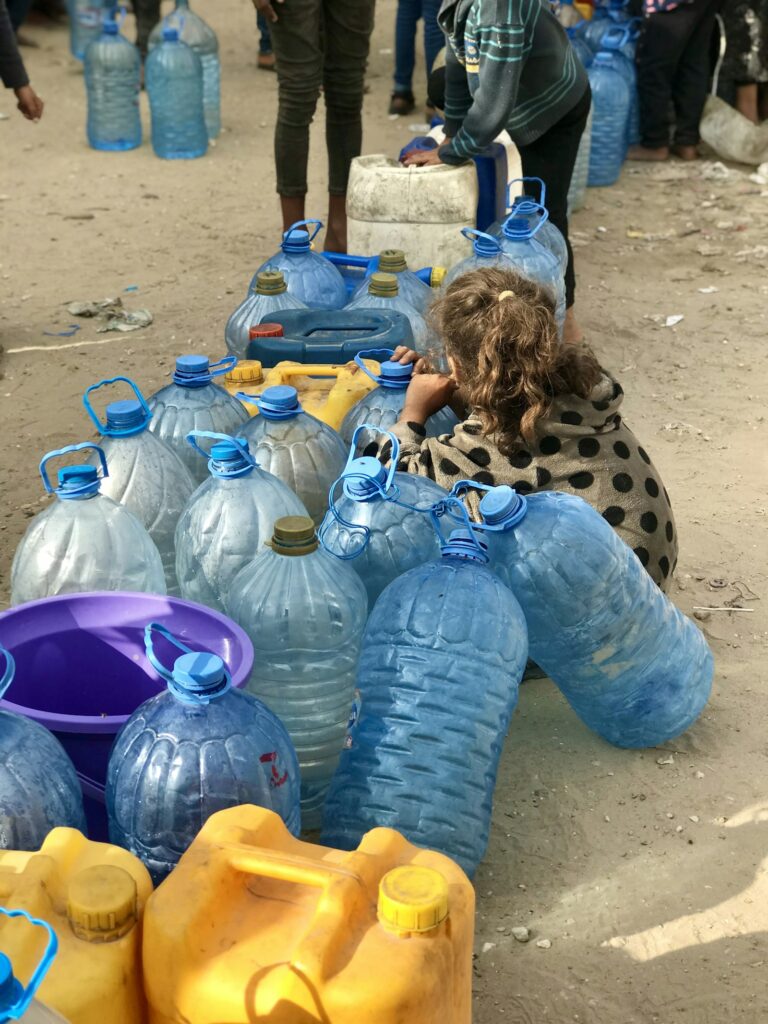
A survey by aid agencies found water insecurity rising in the summer heat, as partners worked to prepare shelters before the rainy season.
The latest IPC analysis found aid had improved food security and nutrition, but warned the gains are fragile and hunger is projected to rise by December.
Briefing the UN Security Council, Tom Fletcher said hunger had fallen since the ceasefire, but most people still lacked proper shelter and no hospital was fully working.
Displaced families were still living in overcrowded tents and damaged buildings, while shortages of parts and oil were shutting down sewage pumping.
UN figures show less aid reached Gaza in early 2026 than in the first months after the ceasefire, while most families still rely on assistance.
Registered Canadian charity
No. 745268425RR0001